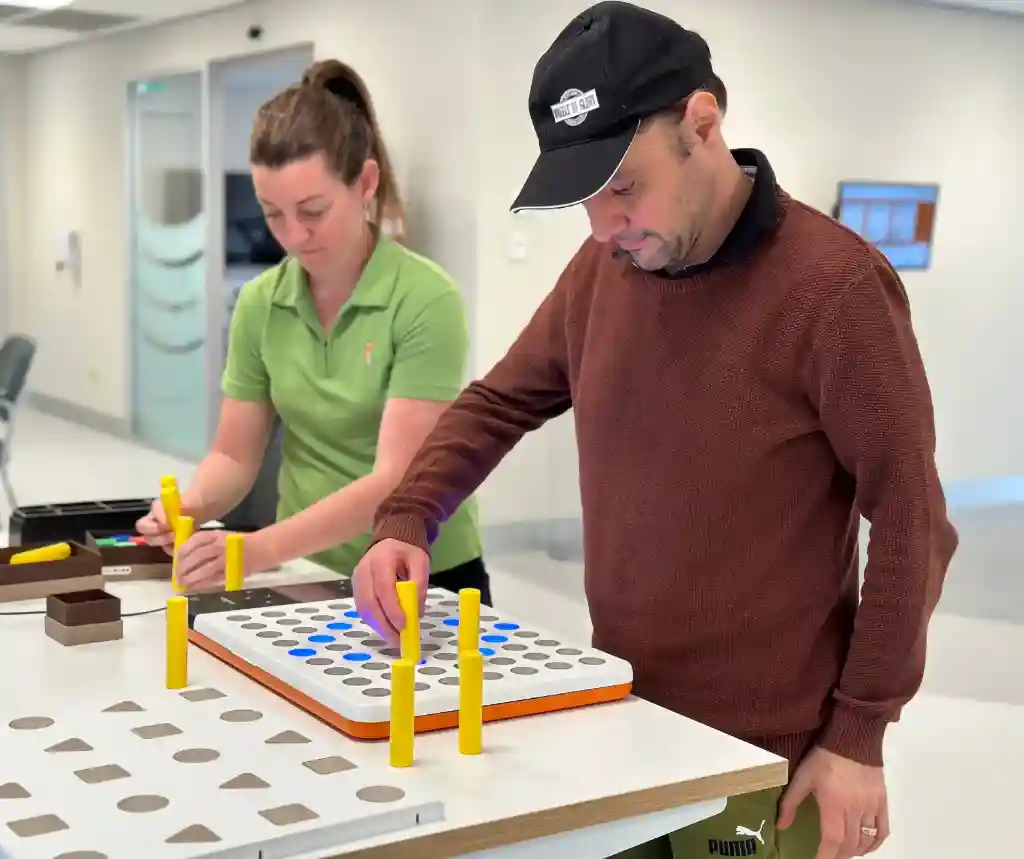
When someone experiences a neurological condition, such as a stroke, Parkinson’s disease, or multiple sclerosis, understanding occupational therapy vs physiotherapy is essential. Both aim to improve independence and quality of life, but they focus on different aspects of recovery in neurological rehabilitation.
Occupational therapy helps people with neurological conditions perform the activities that matter most to them – from basic self-care like dressing and eating to more complex tasks like cooking, managing finances, or returning to work. Occupational therapists consider physical, cognitive, and emotional challenges and create tailored strategies, adapt environments, and teach techniques to help maintain independence and confidence.
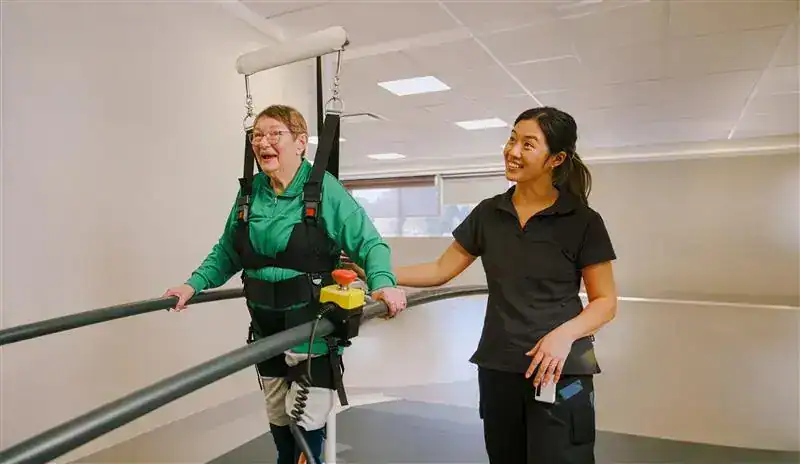
Neurological physiotherapy focuses on improving movement, strength, balance, and coordination after neurological injury or disease. Physiotherapists use exercises, gait and balance training, and task-specific practice to help retrain the nervous system, prevent secondary complications, and support daily function.
In neurological rehab, occupational therapy and physiotherapy often work side by side. For example, after a stroke, a physiotherapist may help you relearn walking or standing safely, while an occupational therapist helps you use that mobility to complete daily tasks independently. Both therapies are goal-directed, focusing on what matters most to each individual and adapting as abilities change.
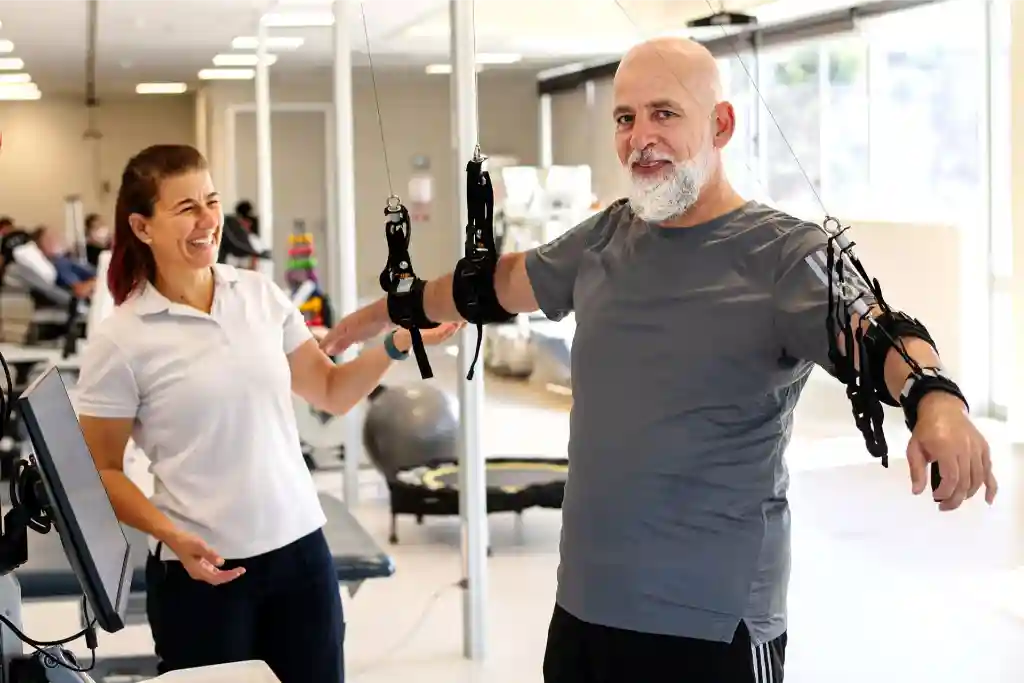
At Royal Rehab LifeWorks Ryde, advanced equipment is integrated into therapy programs to support rehabilitation. This can include body weight support, robotic-assisted devices and other advanced technology devices that provide real-time feedback to you while you perform specific movement and exercises. These advanced technology devices also allow you to participate in balance training while reducing your risk of falls through advanced falls prevention technology.

In the spirit of reconciliation, Royal Rehab acknowledges the Traditional Custodians of Country throughout Australia and their connections to land, sea, and community. We pay our respects to their Elders past, present and future and we extend our respects to all Aboriginal and Torres Strait Island peoples.



To improve your experience and ensure your data is protected, please note you will be redirected to PracSuite, our secure booking platform.
If you're ready to sign up now, please select the most appropriate option and complete the relevant form below.