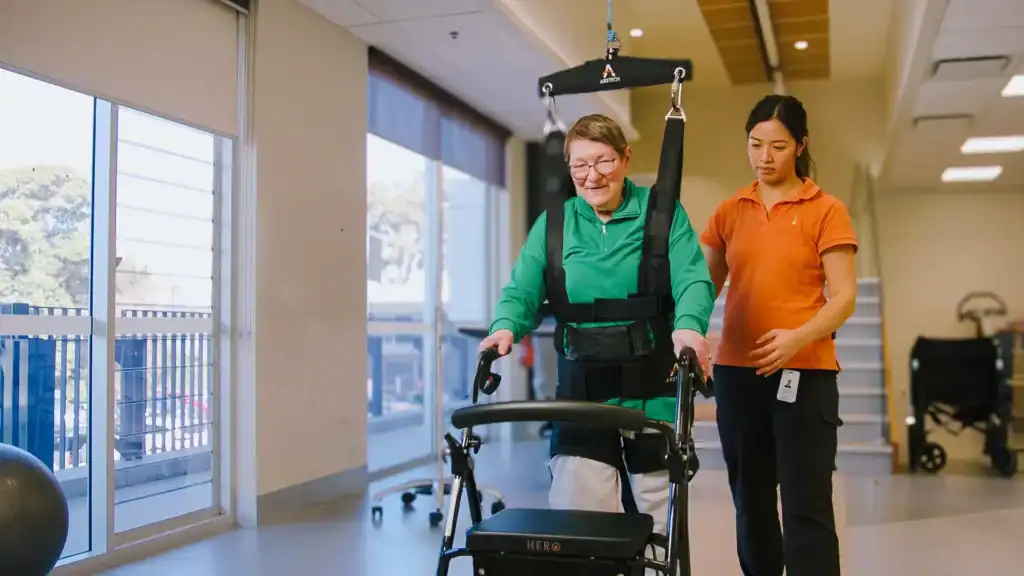
Clinicians often describe progression using the Hoehn and Yahr scale, which ranges from early mild symptoms to advanced stages with significant movement difficulties and balance problems. Early stages may involve tremor, slight stiffness, or subtle changes in posture. Mid-stages can include slower movement, balance challenges, and difficulty performing daily activities. Later stages often involve more severe disability, requiring support for everyday tasks. Understanding the stages helps patients, families, and therapists plan effective care.
Early therapy helps preserve strength, flexibility, and mobility, and can slow the progression of functional decline. Starting early allows you to build healthy movement habits and prevents complications before they arise.
Goals might include walking safer and more confidently, improving hand function, maintaining independence at home, or reducing fall risk. When goals are personalised and realistic, they keep motivation high and help therapists adjust treatment as your needs change.
Look for services that offer a multidisciplinary approach. Services can include physiotherapy, occupational therapy, speech therapy, exercise physiology, dietetics and recreational therapy. A collaborative team that includes you and your care partners can ensure the care provided to you is holistic and guided by your care needs.
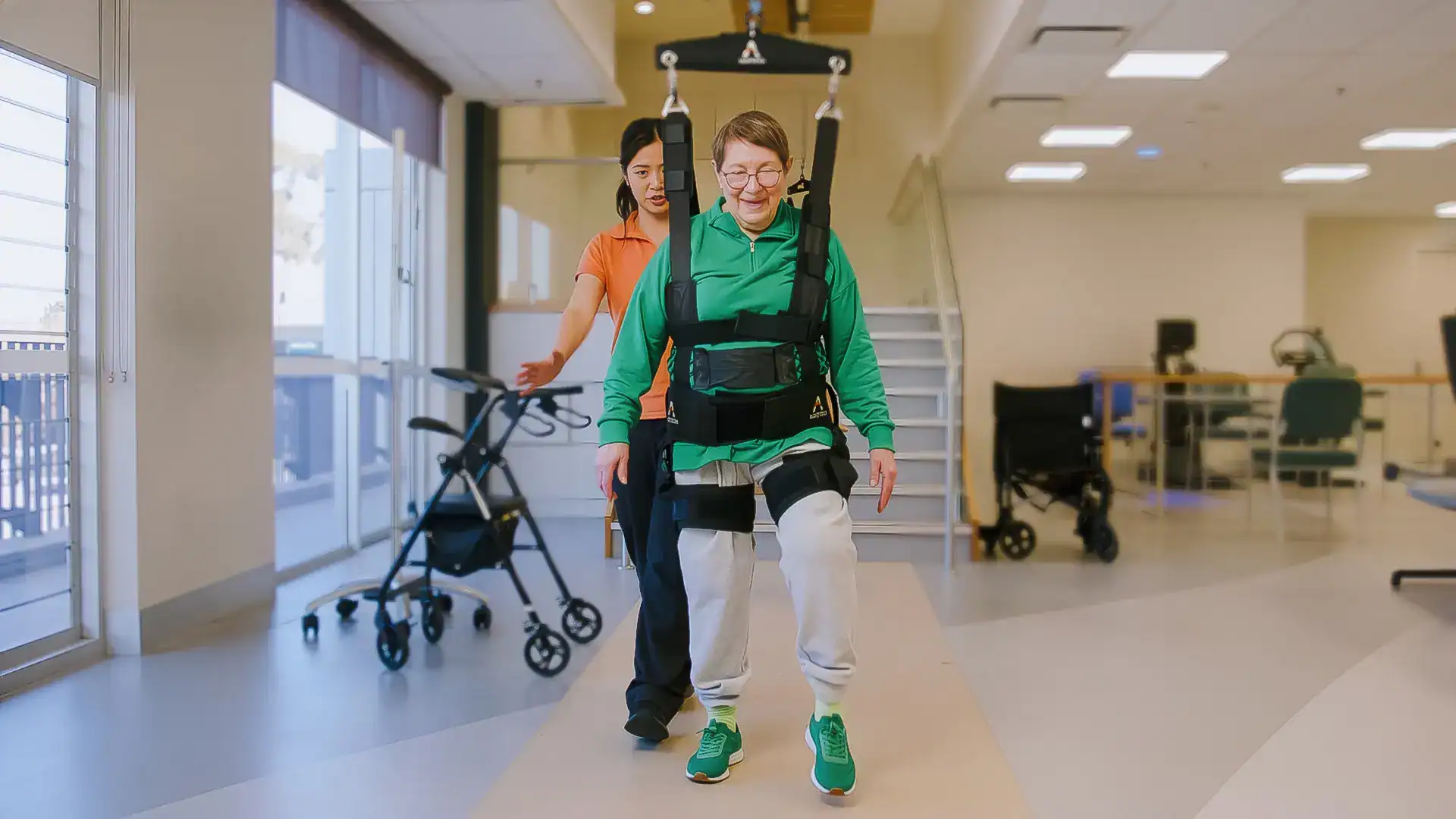
Alongside individual therapy, there are targeted programs designed specifically for people living with Parkinson’s:
These programs can be used alongside one to one therapy to provide a well rounded and engaging approach to rehabilitation.
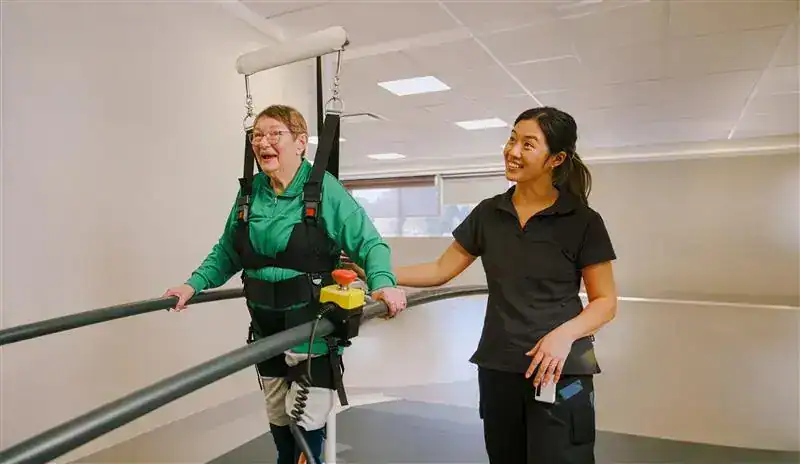
Even small improvements or maintaining current abilities can be meaningful, if they allow you to participate in activities that you love and enjoy. Signs of progress may include steadier walking, better balance, improved hand coordination, or greater ease with daily tasks. Regularly monitoring your progress and condition allows your supporting allied health practitioners to keep your therapy individualised, specific and targeted towards your care needs.

In the spirit of reconciliation, Royal Rehab acknowledges the Traditional Custodians of Country throughout Australia and their connections to land, sea, and community. We pay our respects to their Elders past, present and future and we extend our respects to all Aboriginal and Torres Strait Island peoples.



To improve your experience and ensure your data is protected, please note you will be redirected to PracSuite, our secure booking platform.
If you're ready to sign up now, please select the most appropriate option and complete the relevant form below.