Royal Rehab Lifeworks Full Logo
/
Help with
/

Multiple Sclerosis

Personalised rehabilitation and therapy for people living with Multiple Sclerosis.

Multiple Sclerosis

Personalised rehabilitation and therapy for people living with Multiple Sclerosis.

Providing neurological rehabilitation and allied health services for people living with Multiple Sclerosis.

Multiple Sclerosis can affect everyone differently, with symptoms and support needs often changing over time. Our multidisciplinary team works alongside people living with MS to support mobility, strength, fatigue management, communication, cognitive function, and everyday independence through personalised therapy and rehabilitation programs.

Our approach focuses on practical, goal based support tailored to the individual. Whether you are newly diagnosed, managing changing symptoms, returning to activities, or looking to maintain independence and quality of life, our team is here to help support your rehabilitation journey.

Rehabilitation targets

Your therapy program is tailored to you, focusing on the areas that best support your needs and goals.


Tick Double Check
Mobility and movement
Support for walking, balance, coordination, transfers, and physical confidence.
Tick Double Check
Fatigue management
Strategies and therapy approaches to help manage fatigue and energy levels throughout the day.
Tick Double Check
Strength and physical function
Exercise and rehabilitation programs designed to support strength, endurance, flexibility, and movement.
Tick Double Check
Daily living and independence
Practical support for everyday activities at home, work, and in the community.
Tick Double Check
Communication and swallowing
Assessment and therapy for speech, voice, communication, and swallowing difficulties related to MS.
Tick Double Check
Cognitive support
Strategies and rehabilitation approaches to support memory, concentration, planning, and thinking skills.
Tick Double Check
Health and wellbeing
Programs and therapy aimed at supporting wellbeing, confidence, participation, and quality of life.

Your program may include

Neurological physiotherapy
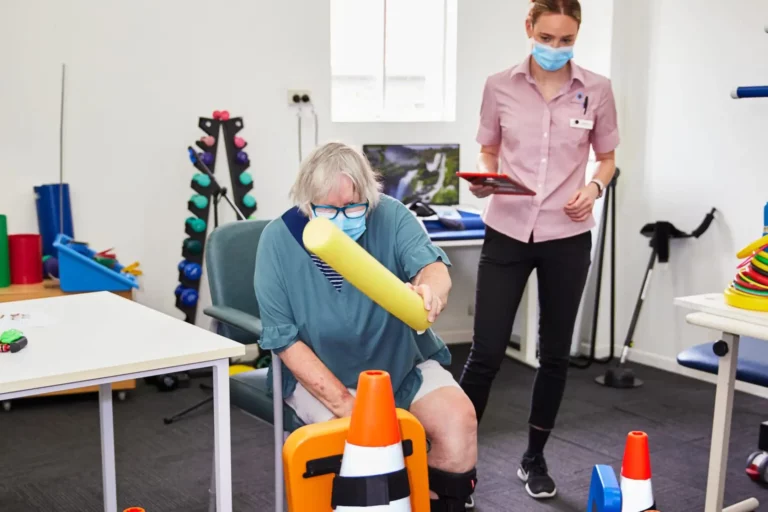
Physiotherapy helps people living with Multiple Sclerosis maintain movement, mobility, and independence through personalised therapy focused on practical everyday function.
  • Task specific training: Practising real life movements and functional activities such as walking, sitting, standing, transfers, and moving safely within different environments.
  • Building strength: Tailored exercise programs designed to strengthen weakened muscles, improve physical stability, and support movement efficiency.
  • Enhancing balance and coordination: Exercises aimed at improving balance, coordination, posture, and movement control to help reduce falls risk and improve confidence.
  • Improving arm and hand function: Activities focused on upper limb strength, coordination, reach, grip, and fine motor skills to support daily activities.
  • Managing muscle stiffness and spasticity: Stretching, positioning, and movement strategies to help improve comfort, flexibility, and movement quality.
  • Fatigue aware therapy planning: Structuring therapy and activity to support energy management and reduce physical overload.
  • Reducing pain and discomfort: Addressing movement related pain, muscle tightness, and physical discomfort through targeted therapy and exercise.
  • Preventing secondary complications: Supporting circulation, posture, joint mobility, and regular movement to reduce the risk of complications associated with reduced mobility.
  • Boosting confidence and wellbeing: Supporting participation, independence, and overall wellbeing through achievable and meaningful therapy goals.
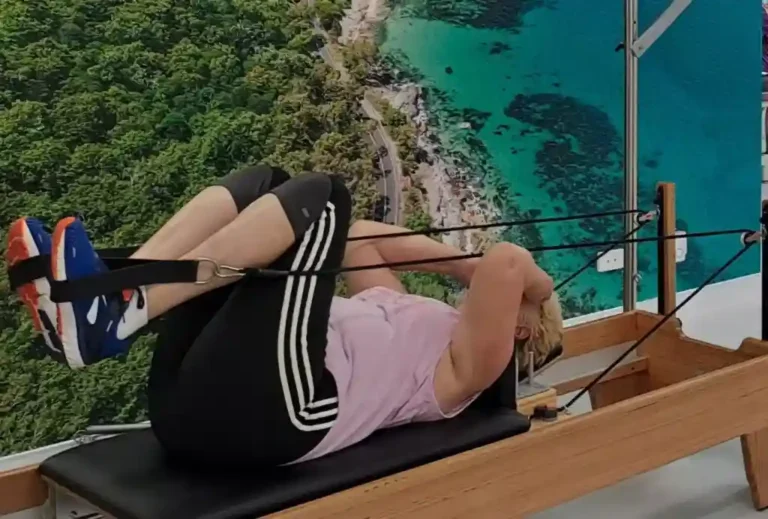
Occupational therapy
Supports people living with MS to manage everyday activities, maintain independence, and adapt to changes in physical, cognitive, or functional ability.
  • Daily living support: Strategies to assist with dressing, showering, meal preparation, household tasks, and community activities.
  • Fatigue and energy conservation: Practical pacing techniques and planning strategies to help manage limited energy throughout the day.
  • Hand function and coordination: Activities and exercises to support grip strength, dexterity, and fine motor control.
  • Cognitive support strategies: Practical approaches to assist with memory, concentration, organisation, and planning.
  • Home and equipment recommendations: Advice around assistive equipment, home modifications, and environmental changes to improve safety and independence.
  • Work and lifestyle support: Helping people continue engaging in meaningful activities, employment, hobbies, and social participation where possible.
Speech pathology
Speech pathology can support communication, cognitive communication, voice, and swallowing difficulties that may occur with Multiple Sclerosis.
  • Speech clarity: Exercises and strategies to support clearer speech and communication effectiveness.
  • Voice and breath support: Techniques to improve vocal strength, endurance, and breath control for speaking.
  • Cognitive communication strategies: Support for word finding, processing information, attention, and conversational skills.
  • Swallowing assessment and management: Assessment and therapy to support safer and more comfortable eating and drinking.
  • Communication confidence: Practical strategies and tools to support participation in everyday conversations and social situations.

Hydrotherapy
Hydrotherapy can provide a supportive environment for movement and exercise, particularly for people experiencing weakness, fatigue, pain, or balance difficulties.
  • Supported movement: Water buoyancy can make movement easier and reduce strain on joints and muscles.
  • Strength and mobility training: Water resistance helps support strengthening and functional movement exercises.
  • Balance and coordination practice: A controlled environment to work on stability and movement confidence.
  • Reduced impact exercise: A lower impact option for people managing pain, reduced endurance, or mobility limitations.
  • Flexibility and comfort: Warm water can assist with relaxation, flexibility, and physical comfort during movement.
Exercise physiology
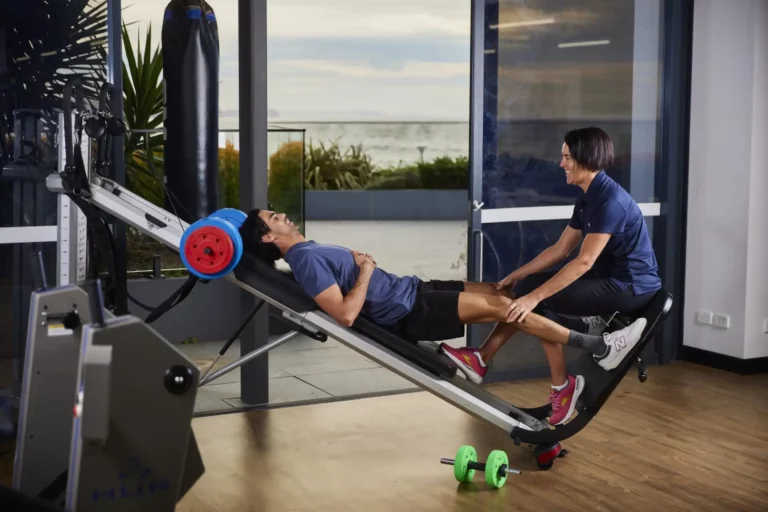
Exercise physiology focuses on safe, evidence based exercise to support physical function, endurance, strength, and long term wellbeing.
  • Strength and conditioning: Tailored exercise programs designed around your goals, physical capacity, and symptoms.
  • Cardiovascular fitness: Graded exercise to support stamina, endurance, and overall health.
  • Balance and mobility support: Exercises to improve movement confidence, stability, and coordination.
  • Fatigue management through exercise: Exercise programs designed to support energy levels and recovery.
  • Long term self management: Building sustainable exercise habits and routines that can continue beyond formal therapy.
Psychology
Our psychologists support you in developing practical strategies to manage stress, anxiety, low mood, adjustment challenges, and the emotional impact of living with a neurological condition.
  • Adjustment and coping strategies: Support to navigate changes related to diagnosis, symptoms, independence, and daily life.
  • Managing anxiety and stress: Practical techniques to help manage worry, overwhelm, and emotional pressure.
  • Supporting mood and wellbeing: Strategies to assist with low mood, motivation, confidence, and emotional resilience.
  • Fatigue and burnout support: Helping people better manage the emotional impact of ongoing fatigue and reduced capacity.
  • Building confidence and participation: Supporting engagement in meaningful activities, relationships, work, and community life.
  • Goal focused support: Working collaboratively to develop practical strategies aligned to your personal goals and everyday challenges.
Adaptive recreation
Supports you to stay active, connected, and engaged in meaningful leisure and community activities that align with their interests and abilities.
  • Encouraging physical activity: Supporting participation in enjoyable movement based activities that promote health and wellbeing.
  • Building confidence and independence: Helping people explore activities that support self confidence, routine, and participation.
  • Supporting social connection: Encouraging connection with others through shared recreational and community experiences.
  • Adapting activities to individual needs: Modifying activities and environments to support accessibility, comfort, and participation.
  • Promoting wellbeing and quality of life: Supporting enjoyment, motivation, and engagement in meaningful activities beyond therapy.
  • Exploring new opportunities: Assisting people to discover adaptive sport, recreation, and community programs suited to their goals and interests.
Neuro Dance Therapy
Neuro Dance Therapy uses music, rhythm, and guided movement to support people living with Multiple Sclerosis to improve mobility, coordination, confidence, and participation in a supportive group environment.
  • Movement through music: Guided exercises using rhythm and timing to support coordination, balance, posture, and movement control.
  • Adaptable for different abilities: Seated and standing options available, tailored to individual mobility, energy levels, and physical capacity.
  • Balance and mobility support: Structured movements designed to assist with stability, flexibility, and functional movement.
  • Cognitive and dual task training: Combines movement with memory, attention, sequencing, and coordination activities.
  • Encouraging participation and confidence: A positive and engaging environment designed to support motivation and self confidence.
  • Supporting social connection and wellbeing: Group based sessions that encourage interaction, enjoyment, and community participation.
NDIS Funding
iCare funding
TAC funding
NIISQ funding
Medicare funding
MyAgedCare funding
Health insurance

Technology and equipment

Patient receiving treatment with C-Mill VR

C-Mill VR+

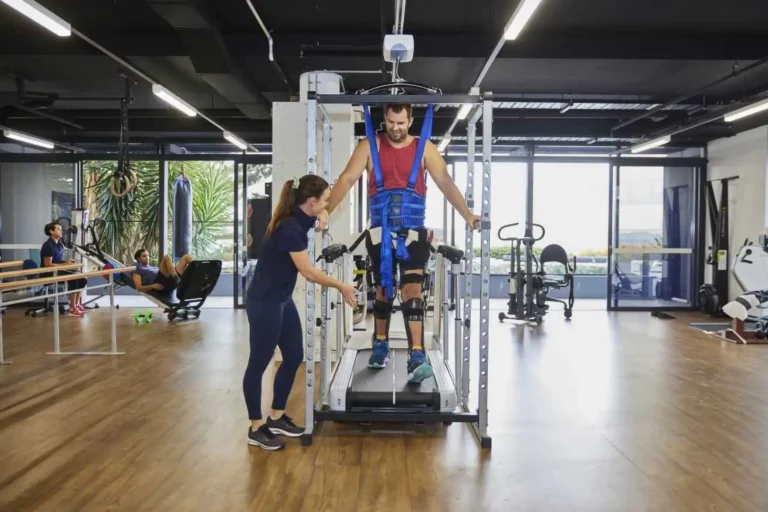
C-Mill VR+ is a rehabilitation treadmill that combines real-world walking practice with virtual reality simulations.
Lokomat

Lokomat®

Lokomat® is a robotic gait training device that helps rebuild walking ability by providing intensive, repetitive, and natural gait practice.
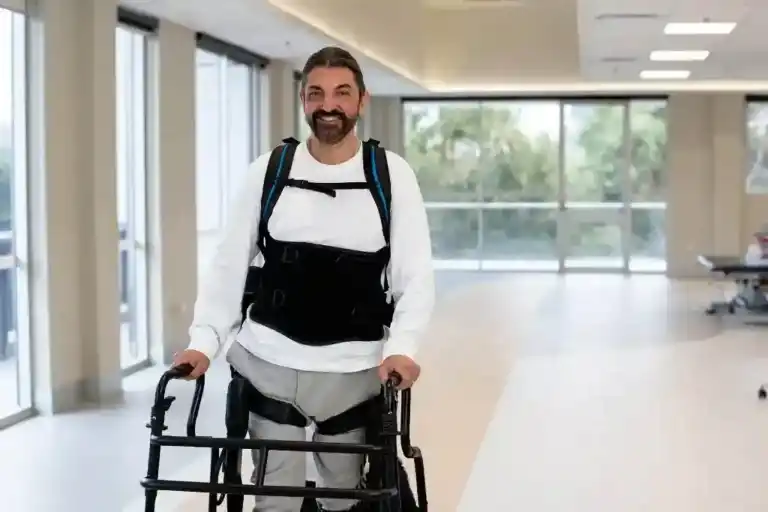
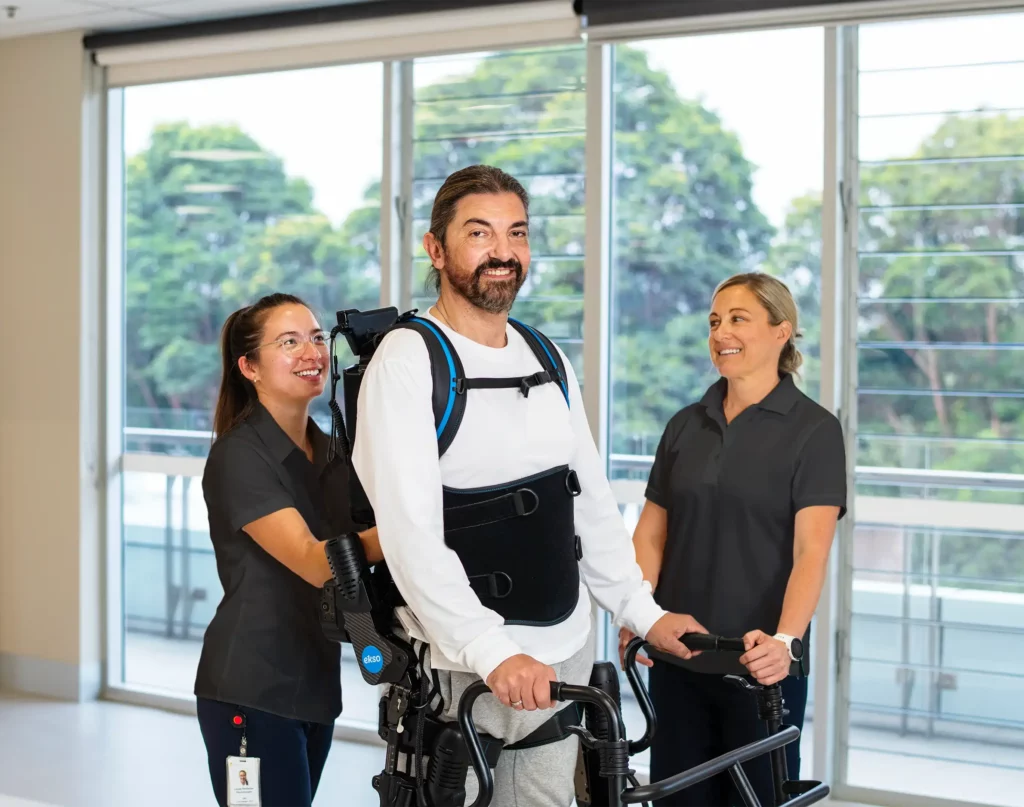
Ekso NR

EksoNR

EksoNR is a robotic exoskeleton that supports people with neurological conditions to stand and walk with a natural gait.
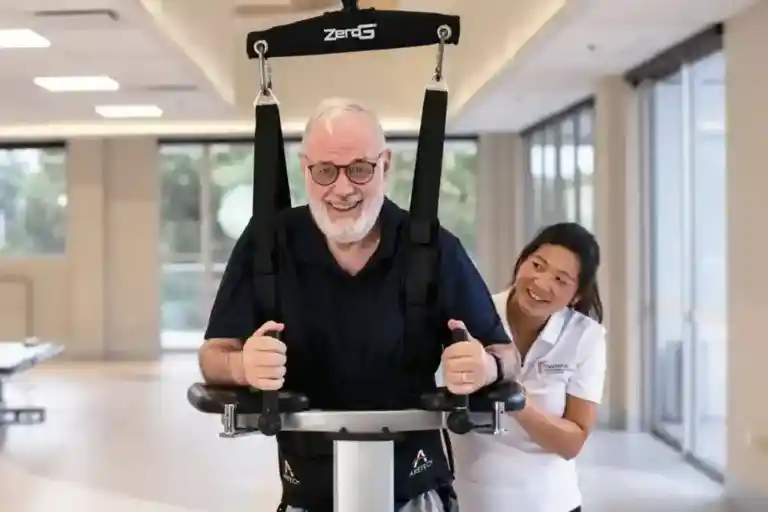
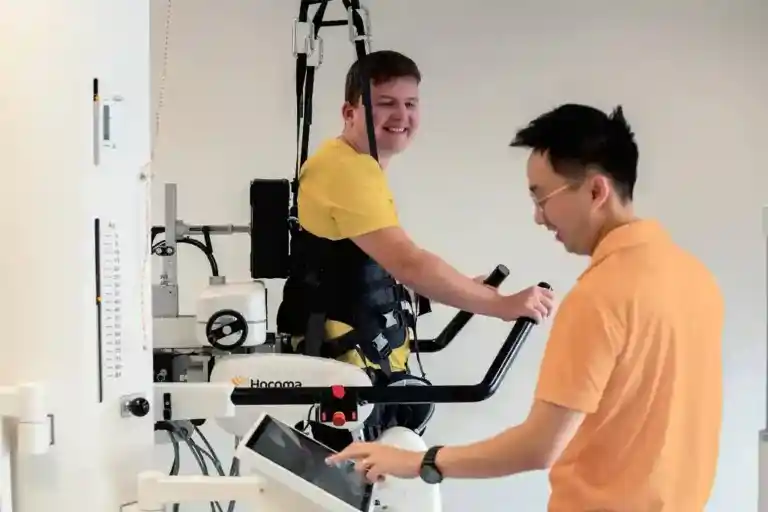
ZeroG Gait Balance System

ZeroG®

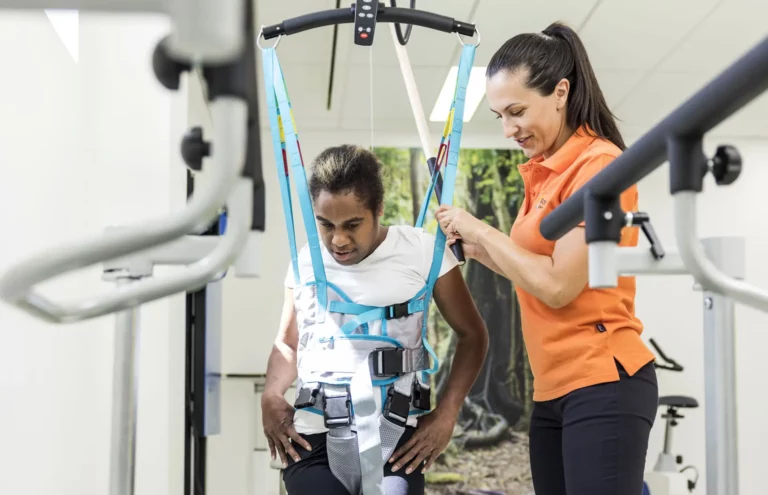
ZeroG® is a dynamic robotic system that supports body-weight during walking, balance and functional activities.
Amadeo Stroke and Parkinsons

Amadeo®

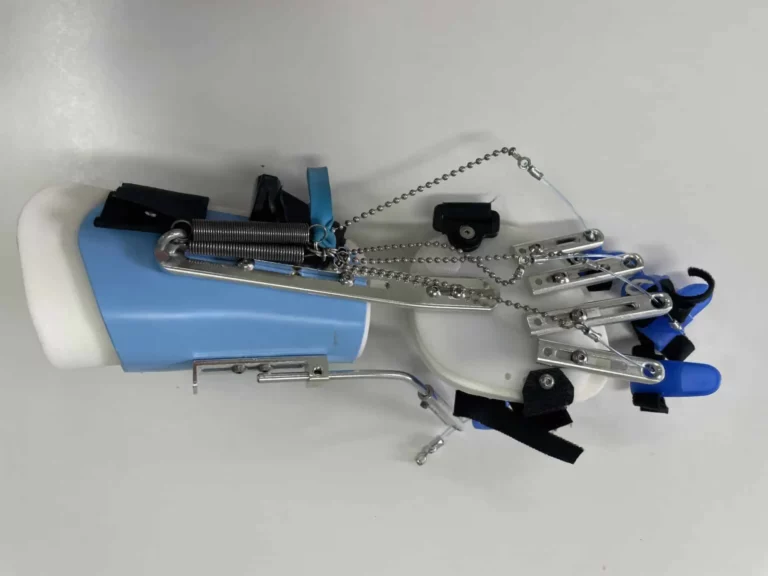
Amadeo® is a state-of-the-art robotic rehabilitation device designed specifically for hand and finger therapy.
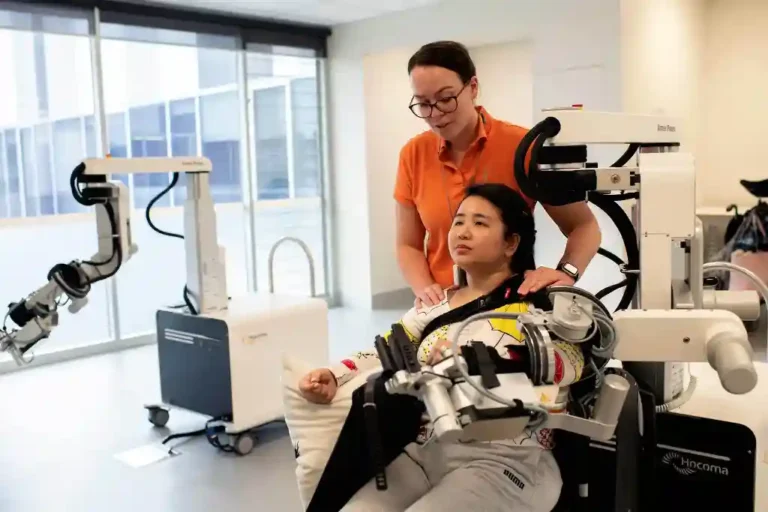
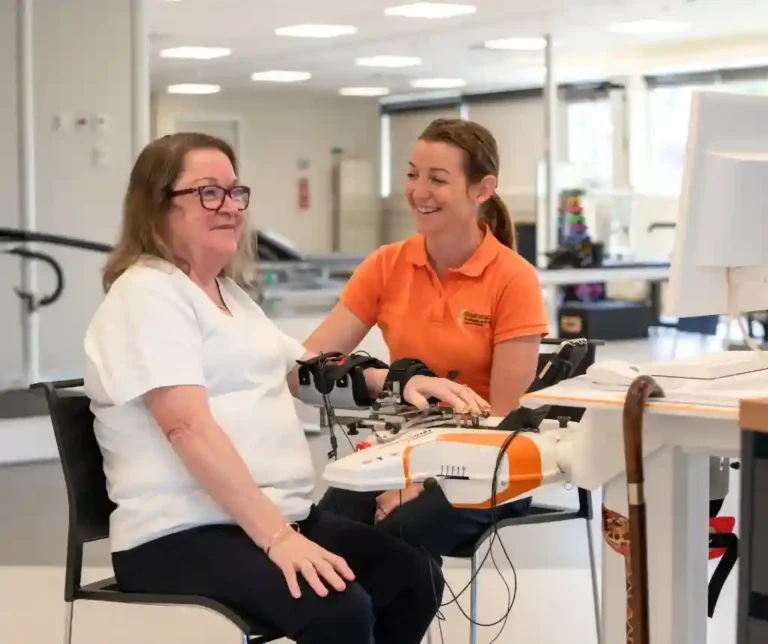
Woman using Armeo® Power device

Armeo® Power

The Armeo® Power is a robotic exoskeleton designed to support high-intensity rehabilitation of the arm and hand.
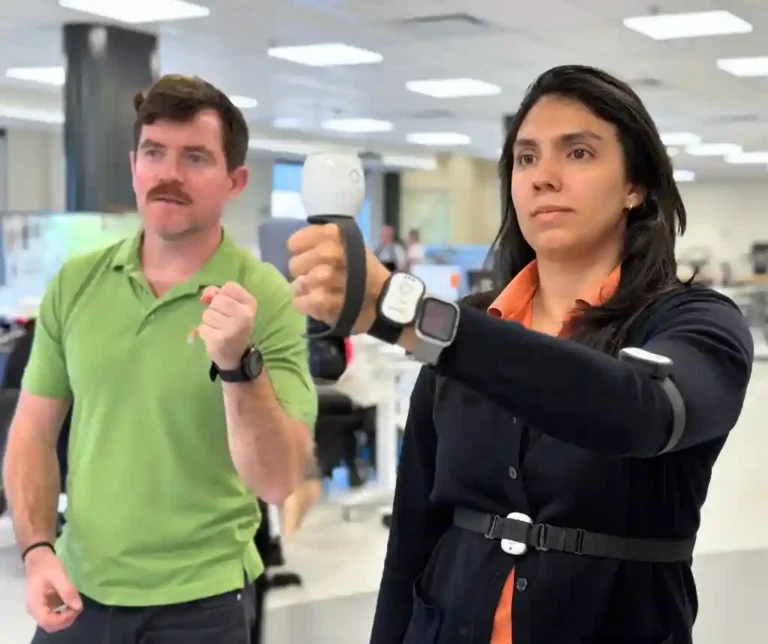
Armeo Senso

Armeo® Senso

Armeo® Senso is a sensor-based rehabilitation device designed to improve arm, hand and grip function.
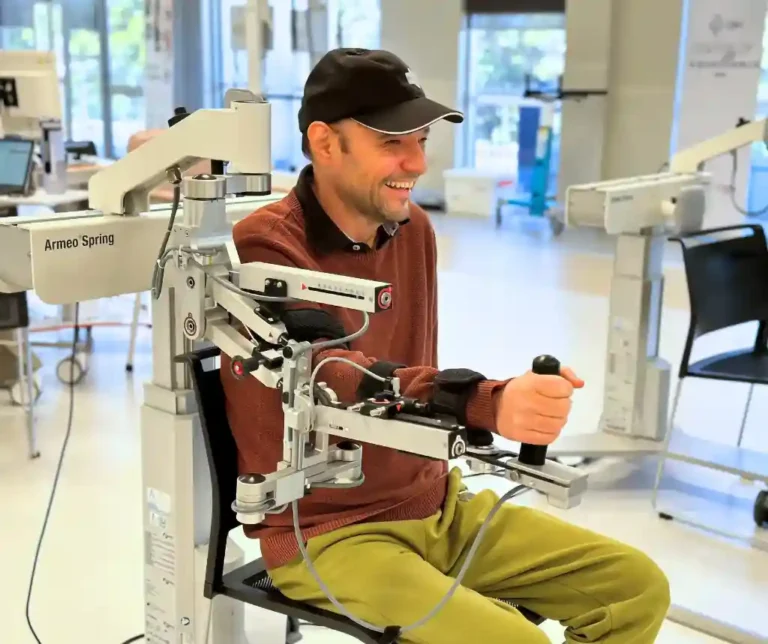
Armeo® Spring Therapy

Armeo® Spring

The Armeo® Spring is a robotic exoskeleton designed to support active rehabilitation of the arm and hand.
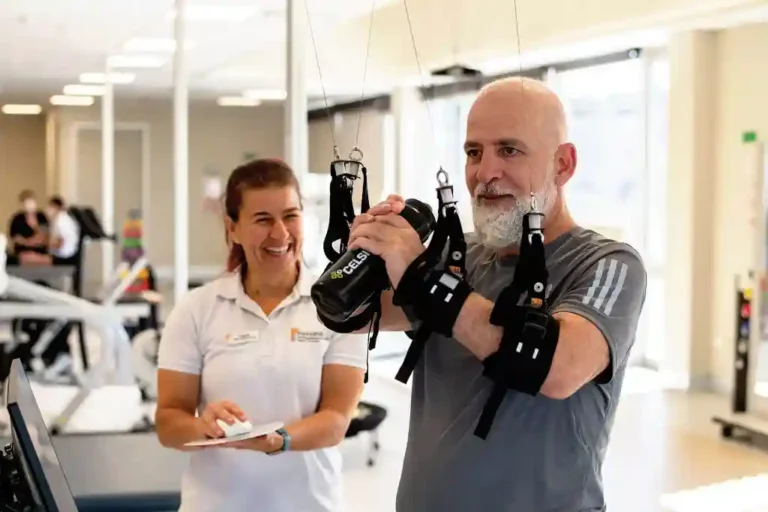
Rehabilitation session with therapist guidance

DIEGO®

DIEGO® is a robotic device that supports upper limb rehab for people recovering from neurological conditions.
Therapy session with MYRO

MYRO

MYRO is a sensor-based therapy device that supports upper limb rehabilitation through interactive, goal-oriented activities.
Luna EMG rehabilitation device

Luna EMG

Luna EMG is a robotic rehabilitation device that combines guided movement therapy with EMG biofeedback.
Early gait therapy with Erigo®

Erigo® Pro

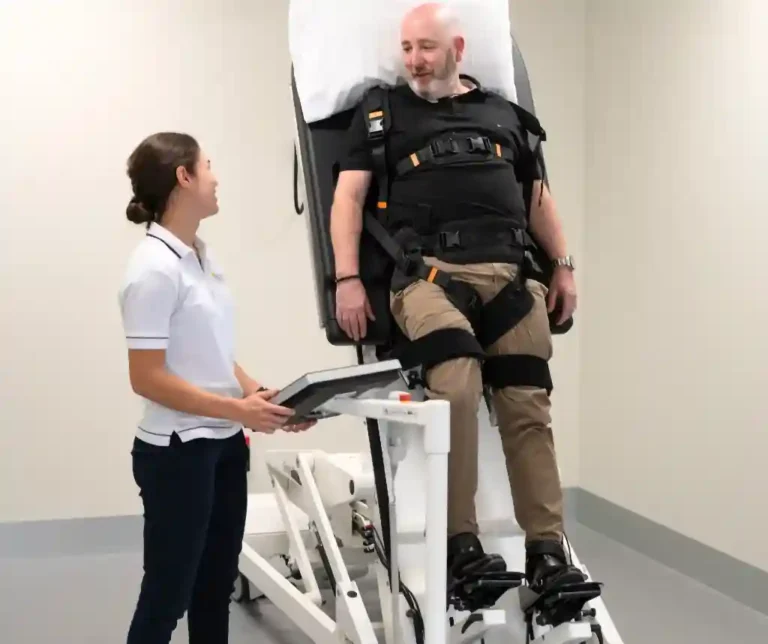
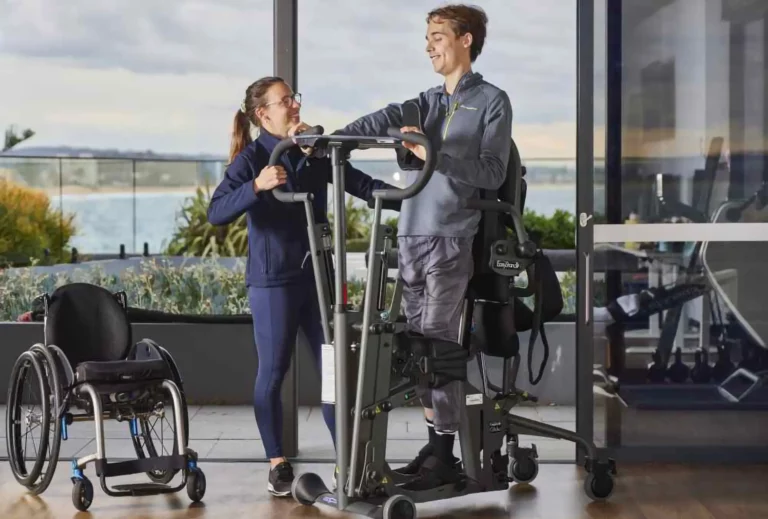
Erigo® Pro is a robotic tilt table that supports safe early mobilisation for people with severe neurological or orthopaedic conditions.
Therapist helps woman using rehab device

Pablo®

Pablo® is a versatile rehabilitation system for recovery of upper and lower limb function through sensor-based, interactive therapy.
Tymo sensor therapy

Tymo®

Tymo® is a sensor-based therapy platform that supports balance, coordination and postural control.
Xcite Therapy

Xcite

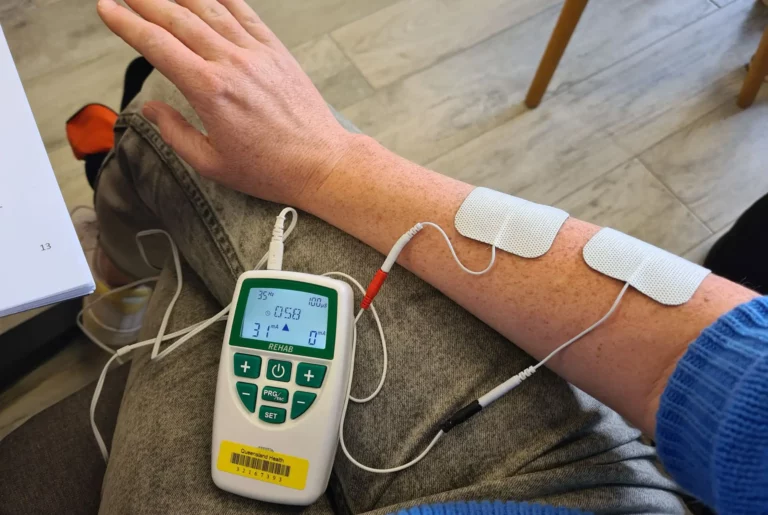
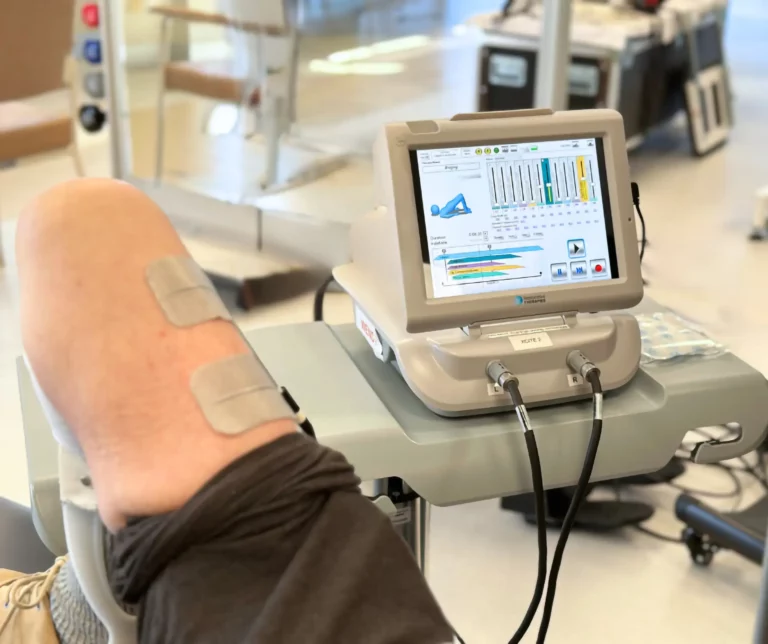
Xcite is an advanced iFES system that helps improve muscle control, strength, coordination and functional independence.
H-Man robotic upper limb therapy

H-Man

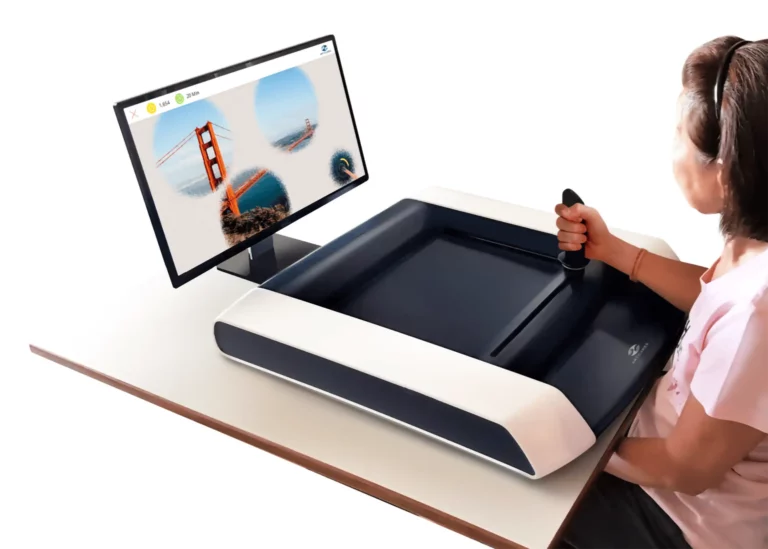
H-Man is a robotic rehabilitation device designed to improve upper limb strength, coordination and functional movement.
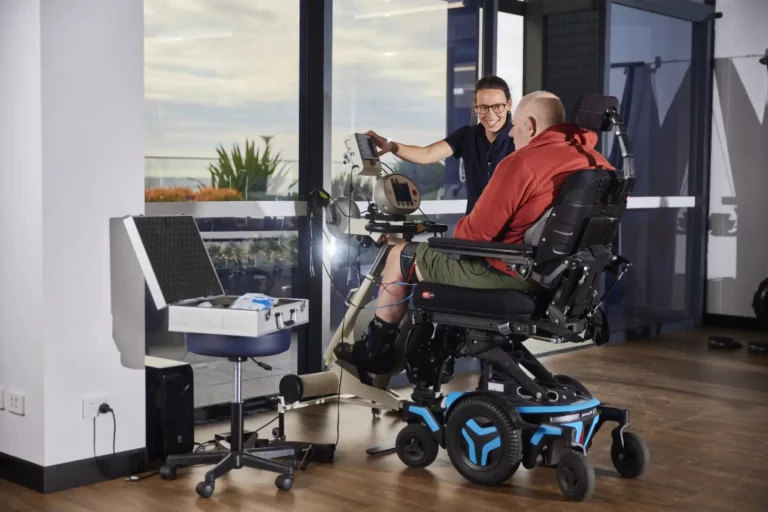
Motomed equipment at Sargood Collaroy

MOTOmed

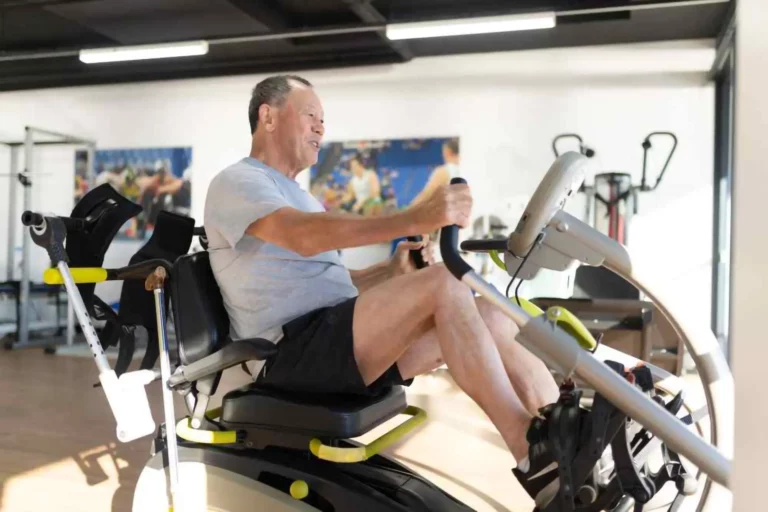
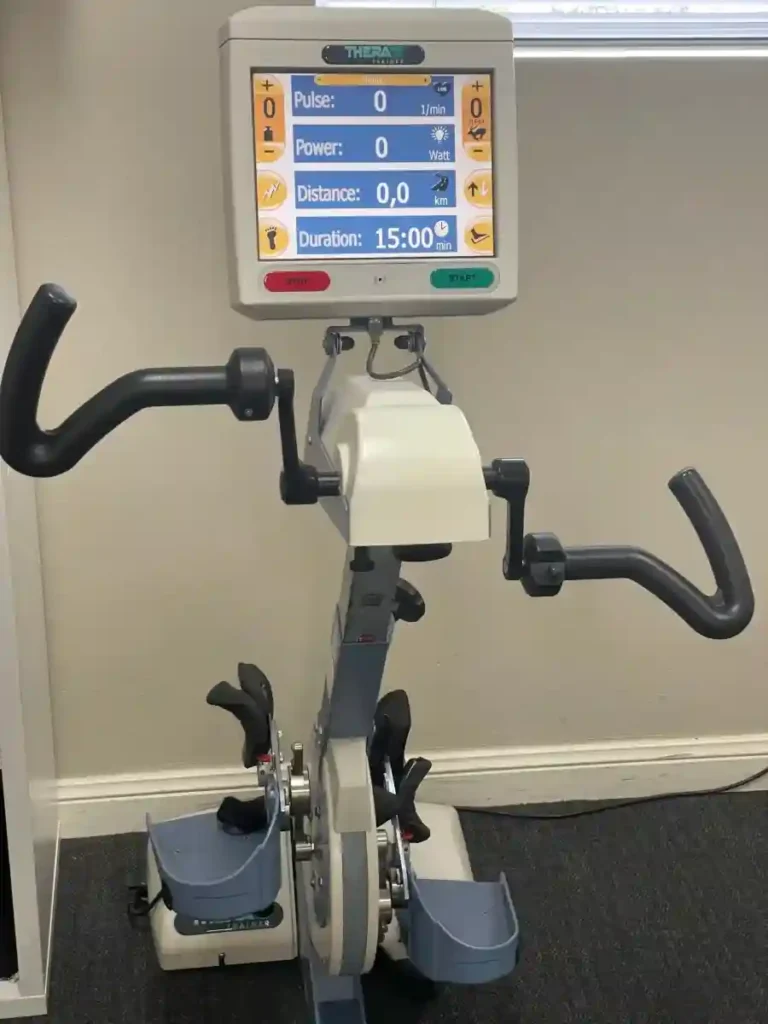
MOTOmed is a movement therapy device that enables passive, assistive or active cycling from a seated position or wheelchair.
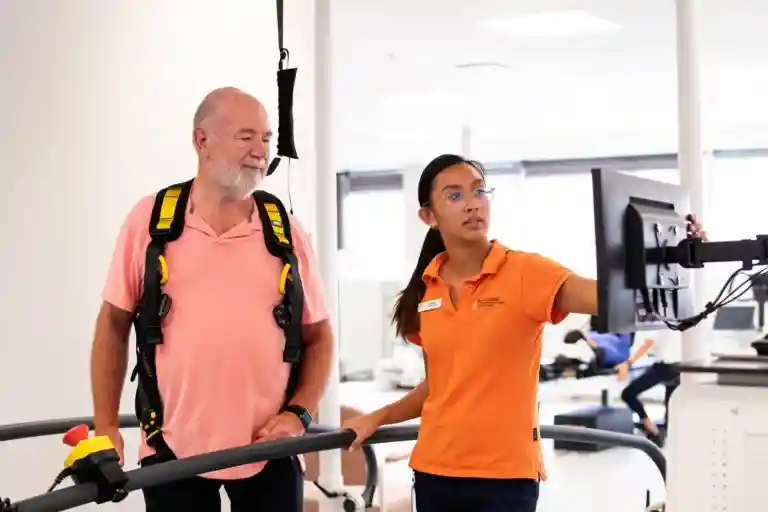
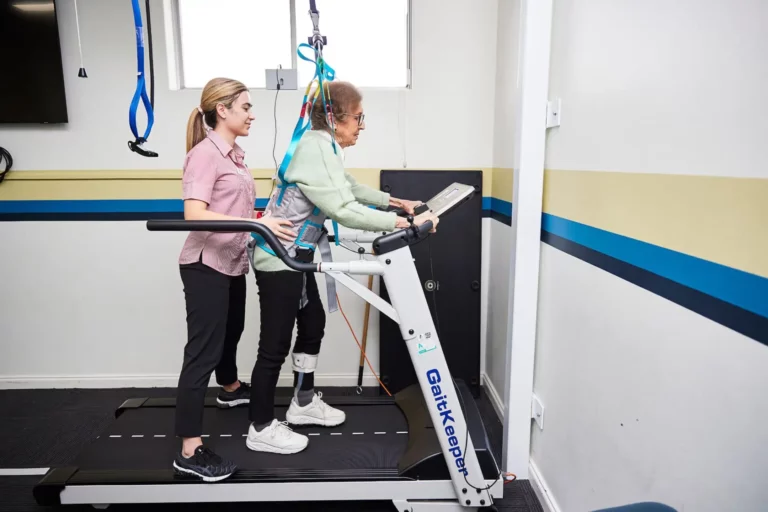
Elderly woman treadmill harness support

GaitSens®

GaitSens® is an advanced gait and balance assessment system integrated with the GaitKeeper® treadmill.
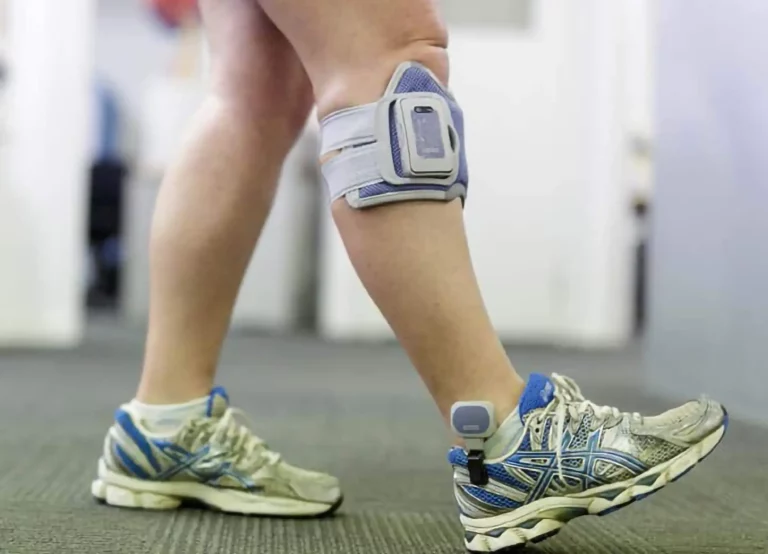
FES for foot drop with Walkaide® II

Walkaide® II

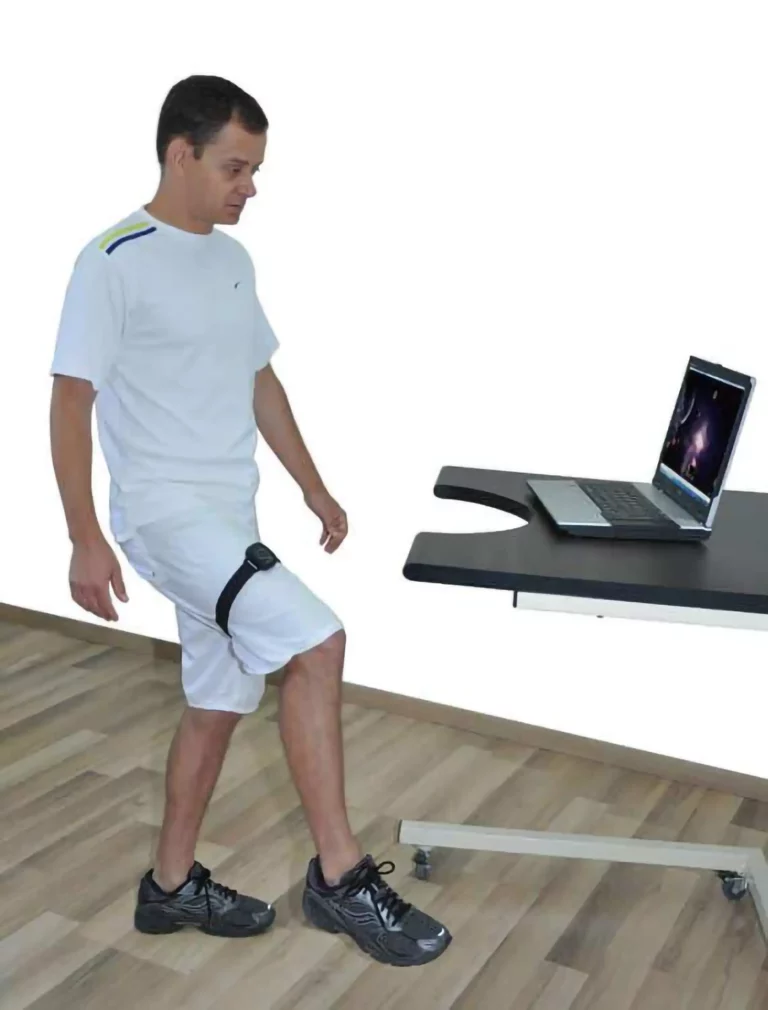
Walkaide® II is an advanced functional electrical stimulation (FES) system designed to assist individuals experiencing foot drop.

Insights

Lorem ipsum dolor sit amet, consectetur adipiscing elit.
Lorem ipsum dolor sit amet, consectetur adipiscing elit. Nullam convallis volutpat cursus. Suspendisse ac enim vel quam fermentum.
Read more
Lorem ipsum dolor sit amet, consectetur adipiscing elit.
Lorem ipsum dolor sit amet, consectetur adipiscing elit. Nullam convallis volutpat cursus. Suspendisse ac enim vel quam fermentum.
Read more
Lorem ipsum dolor sit amet, consectetur adipiscing elit.
Lorem ipsum dolor sit amet, consectetur adipiscing elit. Nullam convallis volutpat cursus. Suspendisse ac enim vel quam fermentum.
Read more
 
Our locations
Three Australian footer flags

In the spirit of reconciliation, Royal Rehab acknowledges the Traditional Custodians of Country throughout Australia and their connections to land, sea, and community. We pay our respects to their Elders past, present and future and we extend our respects to all Aboriginal and Torres Strait Island peoples.


Privacy Policy Sitemap
© 2026 Royal Rehab
Proudly Part of the Royal Rehab Group Empowering Independence
Registered Charity Logo
Royal Rehab certification badge

To improve your experience and ensure your data is protected, please note you will be redirected to PracSuite, our secure booking platform.

Thank you for choosing Royal Rehab LifeWorks Ryde

If you're ready to sign up now, please select the most appropriate option and complete the relevant form below.
Book a site visit

Multiple Sclerosis